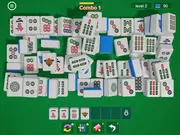
The underlying technology that makes HTML5 games possible is a combination of HTML and JavaScript. Hypertext Markup Language (HTML) was part of the early Internet superhighway as they called it back then and has continued to be used to serve every website today. JavaScript code was added to second version browsers like Netscape 2.0 in 1995 and has evolved over the years to become more pleasant to read and write. In the early days, it was referred to as DHTML or dynamic HTML because it allowed for interactive content without a page refresh. However, it was difficult to learn and use in the early web era. Over time, Javascript with the help of the Google Chrome developers became one of the fastest scripting languages. It also has more freely available modules, libraries, and scripts than any other coding language.
The early DHTML games were very simple. Some examples of the games back then were Tic-Tac-Toe and Snake. As games made with this technology use the open standard of HTML5, these relatively ancient games are still playable today in a modern web browser. These technologies have moved to the forefront of browser games because they don't require plugins and are safer to play than older technologies. HTML5 games also support mobile devices and the capability has improved to support complex 2D and 3D games right in a browser.